Beyond Bricks and Mortar: The Future of Real Estate as a Wealth-Building Asset

Danish Salim Qureshi
CEO & Founder, DSQ Real Estate
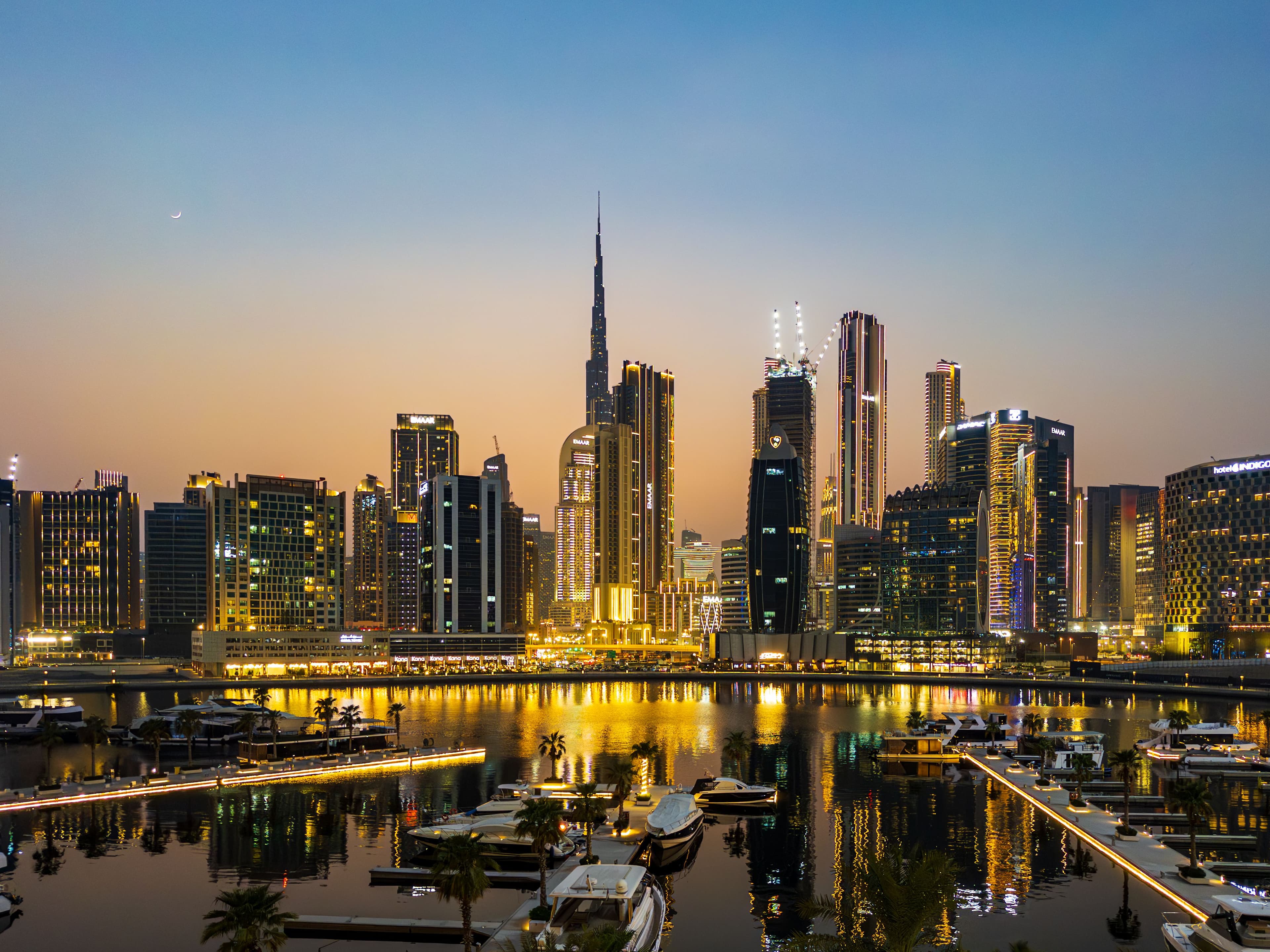
For a long time, property was treated as a simple idea. You bought a building, you held it, and over the years it was worth more. That model still works, but it is no longer the whole story. The asset is changing, and the people who understand how it is changing will be the ones who do well over the next decade.
I want to be clear about something before I go further. What I lay out below is a mix of fact and view. Where I am stating a fact, I will point to the source. Where I am giving you my opinion of where things are going, I will say so plainly. The two should never be blended.
Technology is rewriting how the asset works
Property used to move slowly because information moved slowly. That is no longer the case. Buyers can now study transaction records, price history, and area performance before they ever speak to anyone. In Dubai, transaction-level data is published openly through DXB Interact, which draws its figures from the Dubai Land Department. That kind of transparency changes the balance of power. It rewards the informed buyer and punishes the one who relies on a good sales pitch.
In my view, this is the most important shift of all. Technology in property is not really about apps or digital tours. It is about information becoming harder to hide. Over time, that pushes the whole market toward fairer pricing and forces advisors to add real value rather than simply control access to listings.
Sustainability is moving from preference to price
Green building was once a marketing line. It is slowly becoming a financial factor. Energy-efficient buildings cost less to run, and as utility and regulatory pressures rise across major cities, that efficiency starts to show up in both rent and resale value.
My opinion is that this will not happen evenly or overnight. But the direction is one way. Buildings that are expensive to operate and poorly built for a hotter, more regulated world will carry a quiet discount in the years ahead. Buildings that are efficient will hold their value better. I would not buy on the green label alone, but I would not ignore it either.
Demographics decide demand
People are the real engine under any property market. Where people move, where they form households and how they want to live all shape what gets built and what holds value. Younger buyers want flexibility and connectivity. Families want space and good schools nearby. Older populations in many Western markets are reshaping demand for smaller well located homes.
This is one reason I pay close attention to migration and population trends rather than only to prices. Prices tell you what already happened. Population flows give you a sense of what may happen next.
Real estate inside a wider portfolio
Property has a particular role in a portfolio. It is generally less liquid than shares, it can produce income through rent, and it tends to behave differently from financial markets. That is its strength and its limitation at the same time.
I will say plainly that property is not automatically safe and it is not automatically profitable. Those are two separate questions, and they must never be confused. A property can be relatively stable in value and still be a poor investment if it ties up your capital at a weak yield. Another can carry more risk but deliver a far better return. Good investing means asking both questions honestly, not assuming that bricks and mortar protect you from either.
Global trends land in local markets
No property market is an island. Interest rates set in larger economies, currency movements, and global capital flows all reach into local markets. The International Monetary Fund estimates that the United Arab Emirates economy grew faster than every other GCC country, with real growth accelerating from 4.0 percent in 2024 to an estimated 4.8 percent in 2025, and a projected 5.0 percent in 2026. Strong underlying growth like that is part of why local property demand has held firm even through periods of regional uncertainty.
The lesson here is not to predict the global economy. No one does that reliably. The lesson is to understand that your local property decision sits inside a much larger system, and to factor that in rather than pretend it does not exist.
A closing thought
Property is not becoming less valuable. It is becoming less forgiving of lazy thinking. The buyer who studies data, understands who actually wants to live somewhere, and separates the question of safety from the question of return will keep doing well. The one who buys on hype and hope will find the future a harder place.
If you want to think through how any of this applies to your own position, I am always open to a measured conversation. You can reach me on Instagram @danishs_qureshi, by phone on +971542222731, or by email at Danish@dsqrealestate.ae.